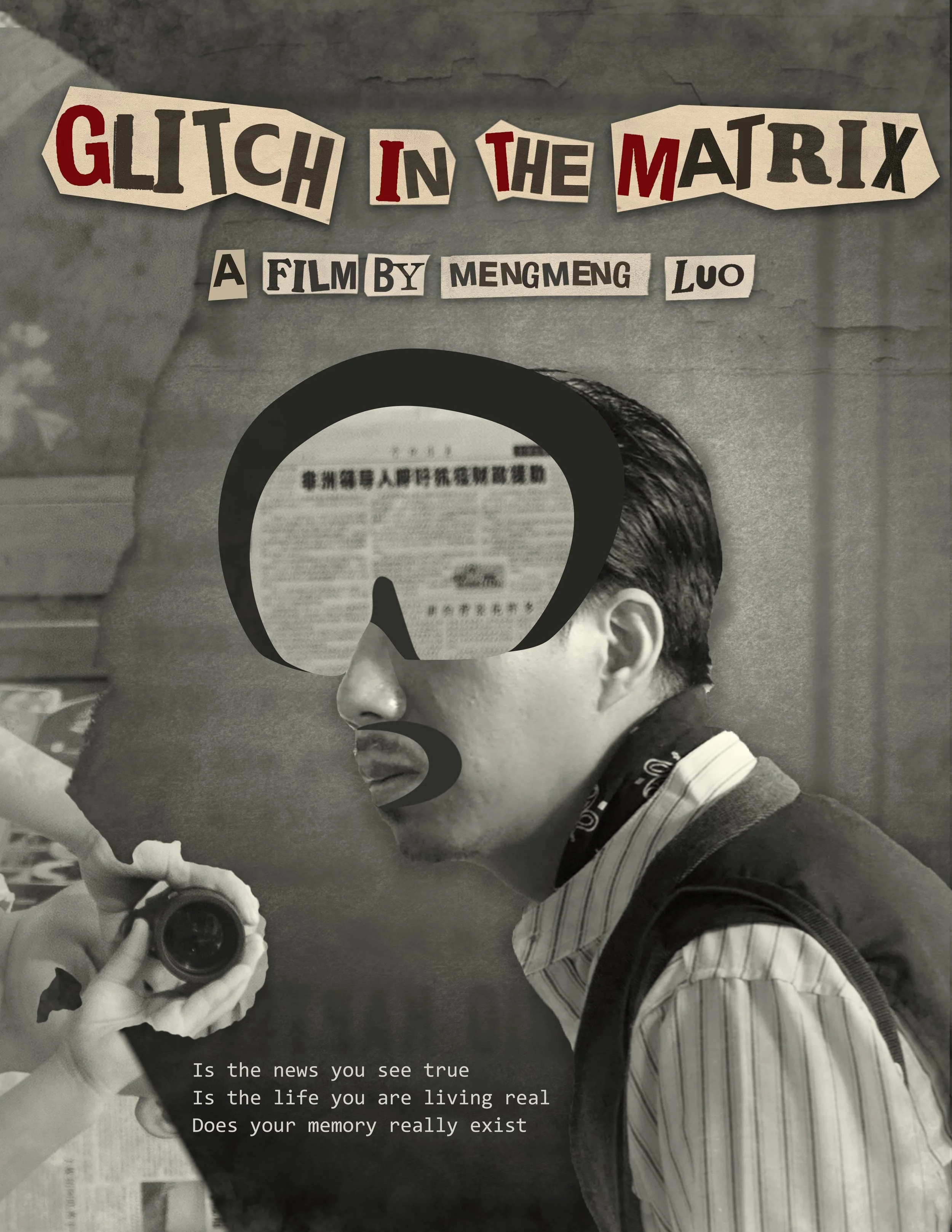
Glitch in the Matrix
2022 Movie image, 2K, Colour, audio
8'45'' China
5+2AP
In the early creation of visual media, artists were influenced by Kurt Lewin’s "gatekeeping" theory, which emphasized the inseparable link between imagery and social documentation. Visual works focused on the relationship between mass communication and the gatekeepers of news, where only information that conformed to group norms (i.e., the gatekeeper’s value standards) could enter the communication process.
With the rise of information dissemination in the era of self-media, this singular channel has been disrupted. The public now receives information from an increasing variety of sources, raising concerns about potential breakdowns or disorder in the flow of information through digital screens. As journalistic credibility declines, unresolved social contradictions have led to public apathy.
This series of works, grounded in documentary-based phenomena, uses a surreal and absurd approach to provoke reflection on the symbolic transmission of cinematic content.
The reporting on Mandela’s death propels the audience to contemplate on the Mandela effect and self-questioning against the negation of the general environment.
The plot uses the same elements to connect five scenes by depicting four different characters. With the theoretical foundation of dialectical relationship between arts and politics, communication and psychology theories such as the Mandela’s effect and the Spiral of Silence, the script revolves around the debates between characters on when Mandela passed away.
The script discusses issues about the age of information dissemination, about collective beliefs, and information divisions as a way of reflecting changes in social events.
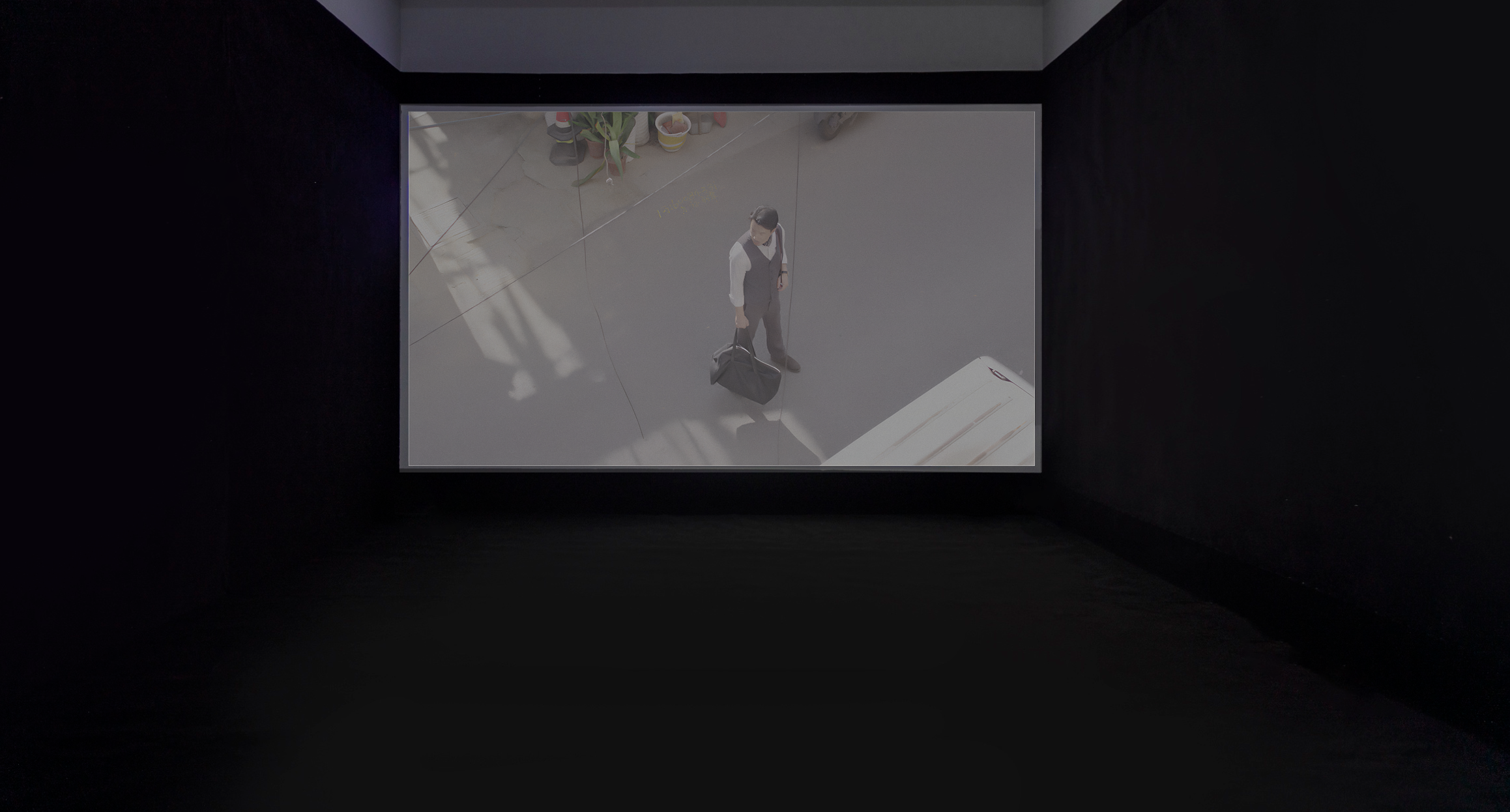
In the Mandela effect, the public ‘s discussion about the time of Mandela’s death is triggered just like the influence of the masses on the spread of public opinion among opinion leaders. The “Mandela effect" also involves another theory, the "glitch in the matrix", which can also be
analyzed from psychology, physics and quantum mechanics. Chinese psychologist Wang W.D believes that the "Mandela Effect" is due to the influence of mass communication
caused by The bias of personal memory; Physics teacher Fiona Broome believes that it involves parallel universes; and some social experiencers will more suspect that it is The conspiracy of governments. No matter what the explanation is, it can make the public think about the connection between the "Mandela effect" and public life.

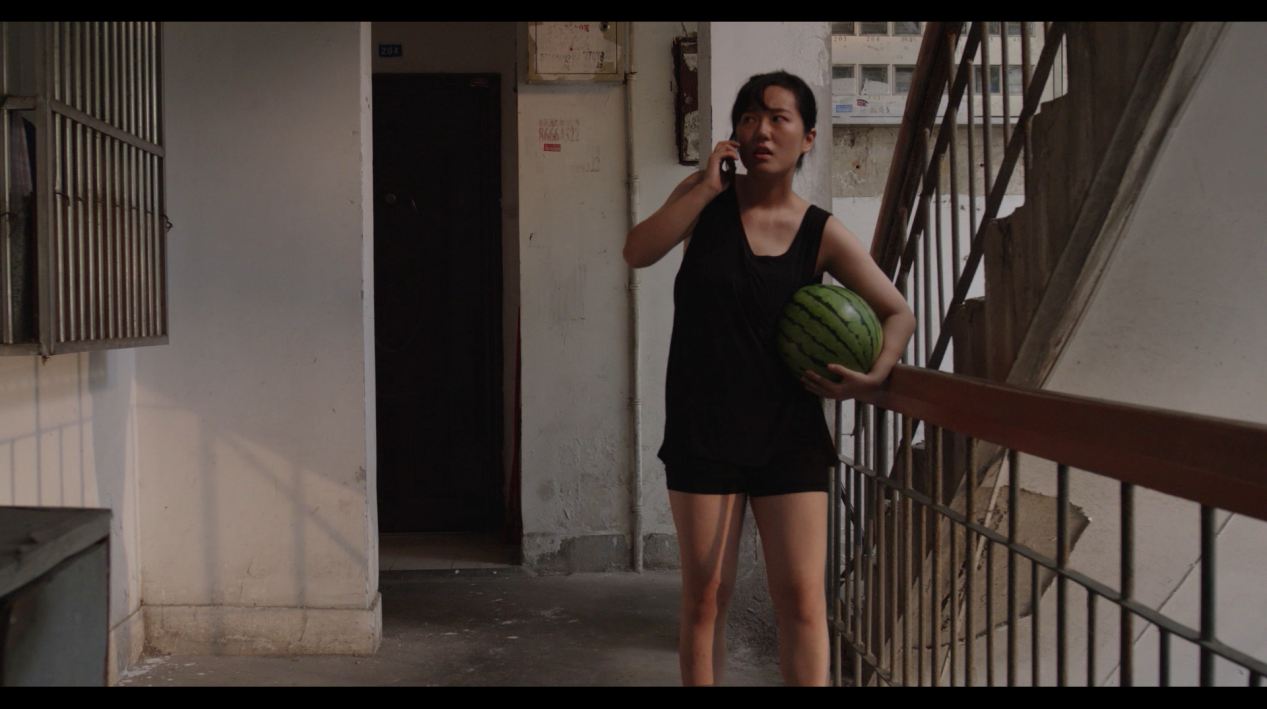
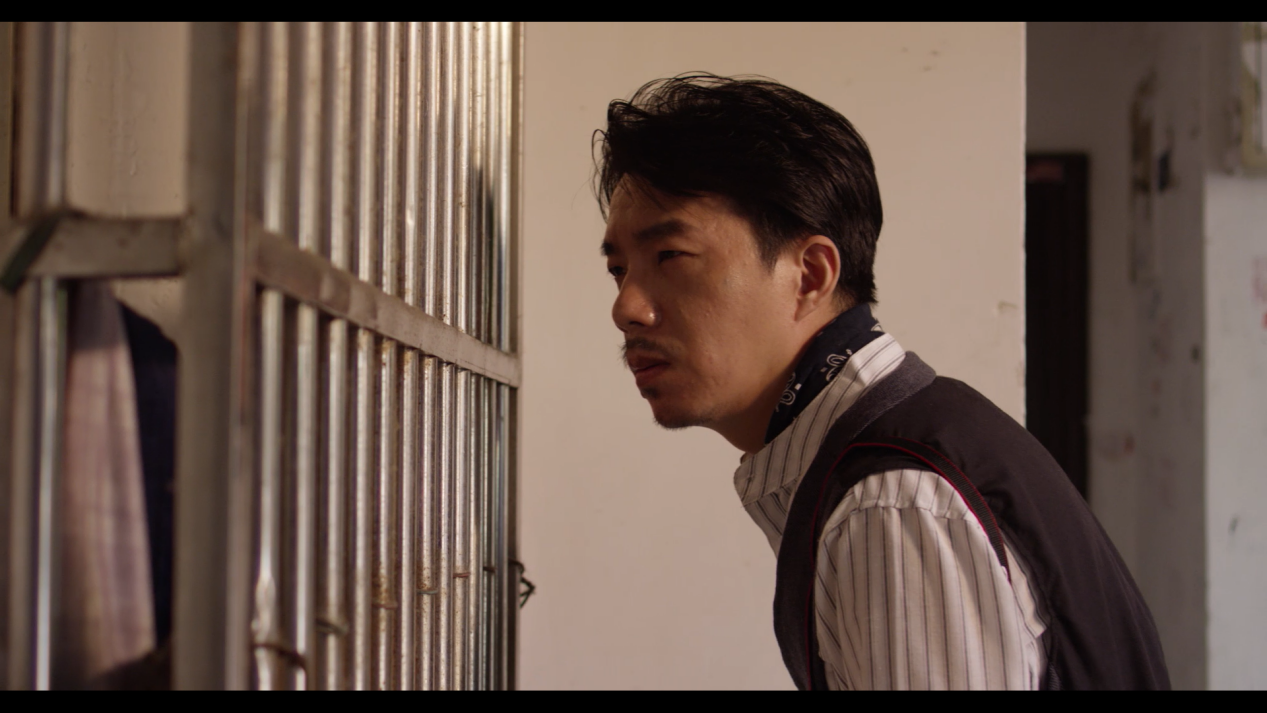
The story revolves around four main characters: a journalist with a questioning spirit, a doctor with an omniscient perspective, a masseur holding a watermelon, and an innocent boy. And the story is composed of five different but interrelated scenes to discuss the "Mandela Effect".

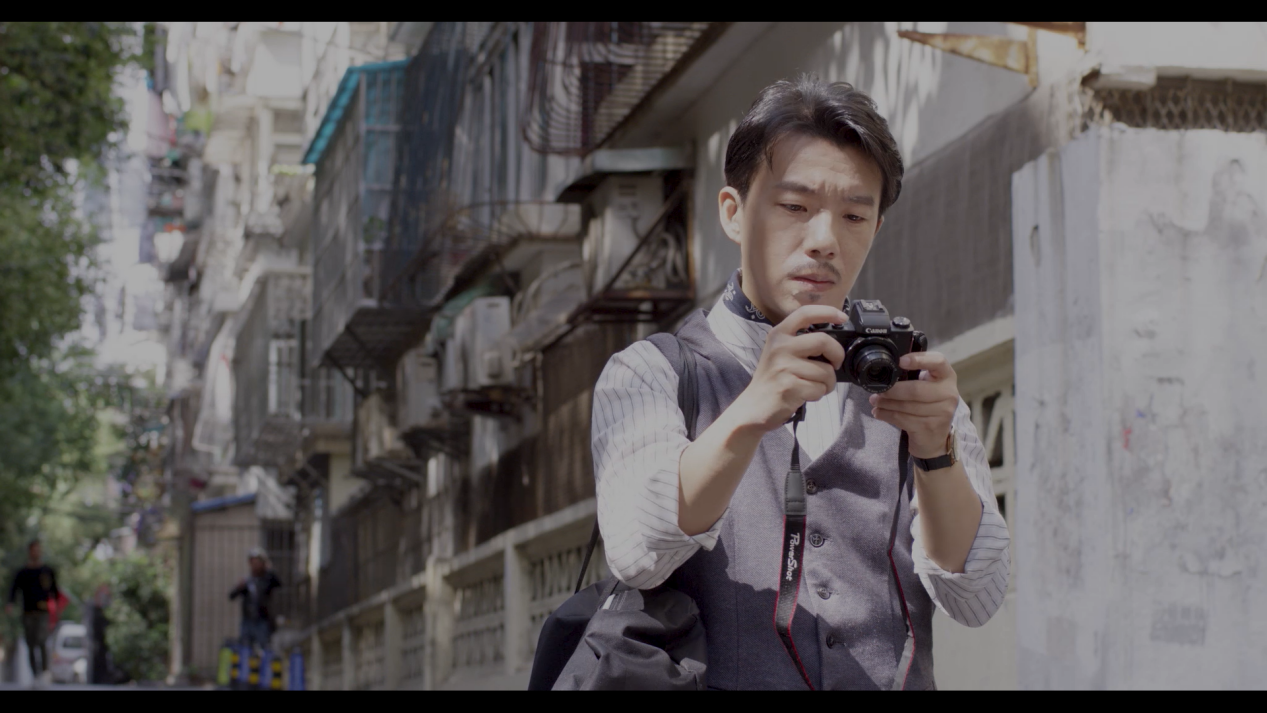
Movie stills